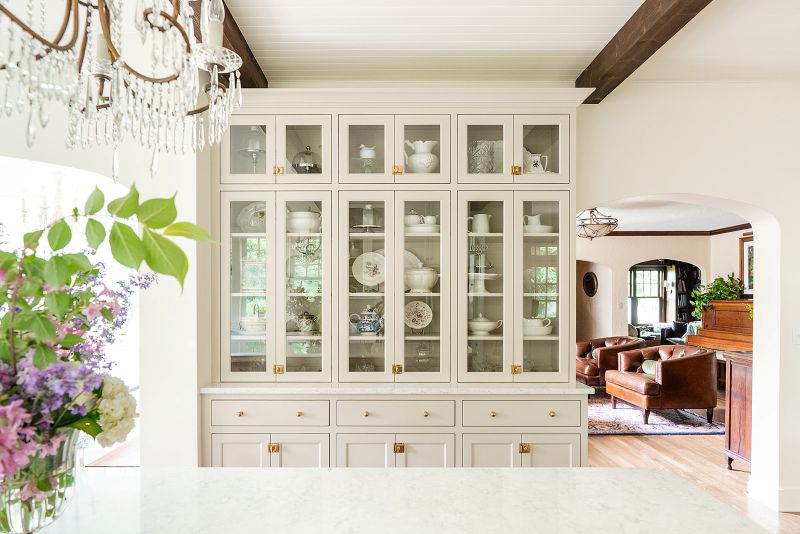
Integrated hutches and beverage stations bring function and character together, creating visual interest within the kitchen. In our kitchen designs, we thoughtfully integrate these elements so they naturally draw people in as practical focal points that add warmth and style to the space. Below, we’re sharing a few of our projects that feature these details, along with how they enhance everyday living.
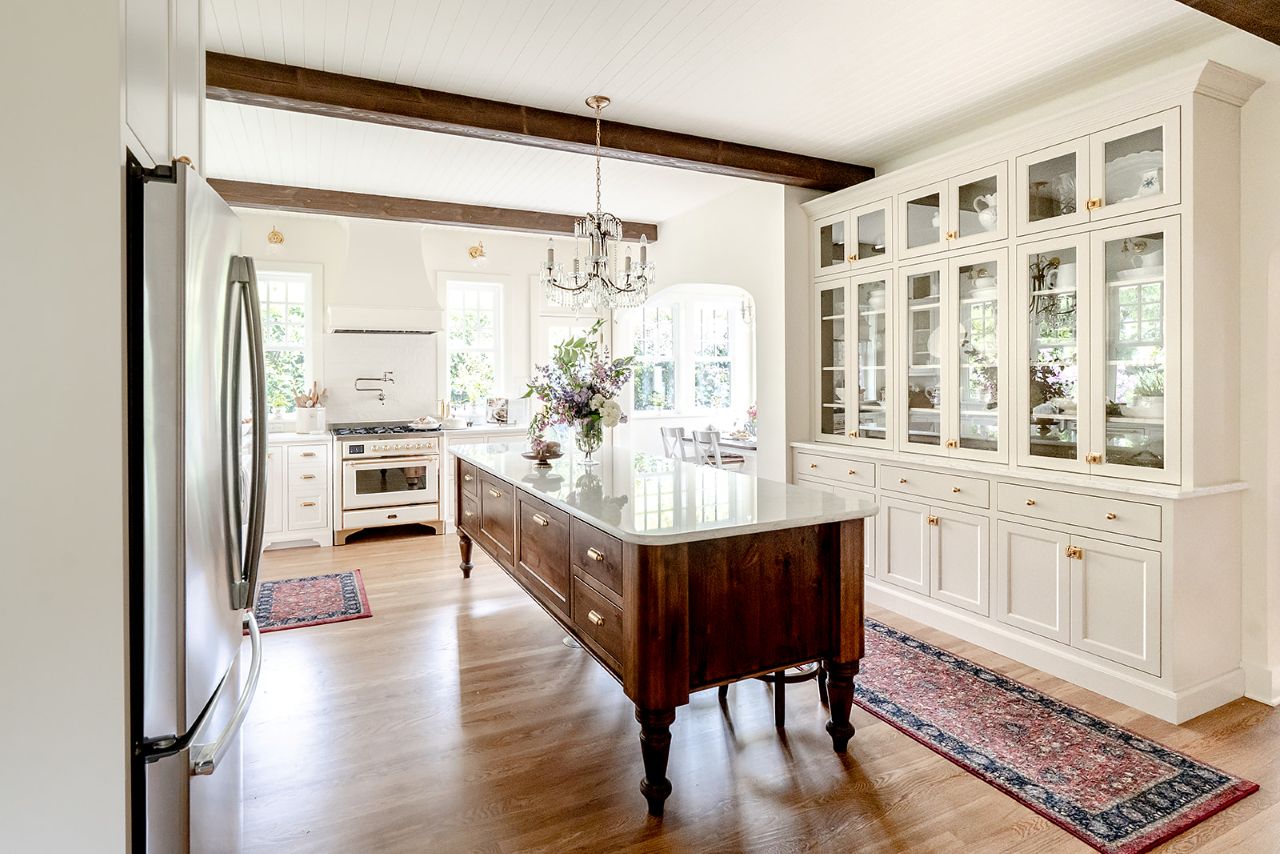
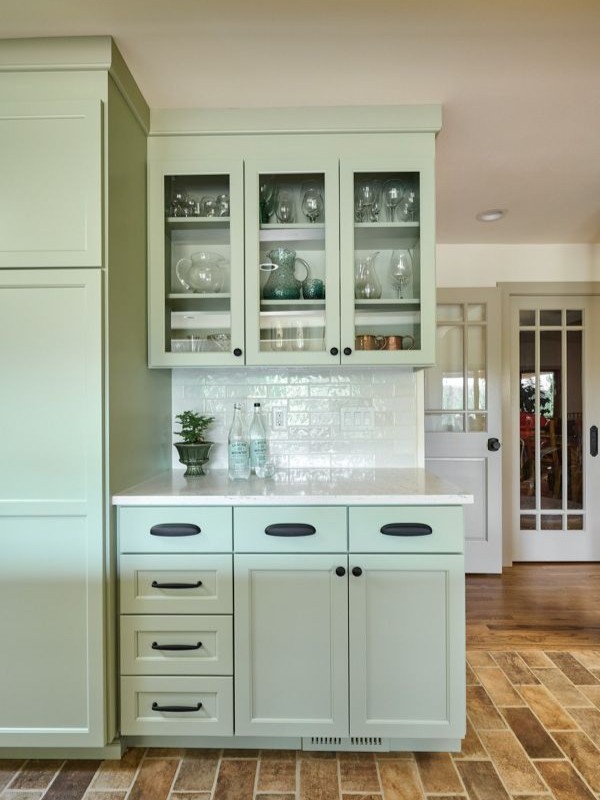
A built-in hutch can break up long runs of cabinetry, introducing contrast through changes in depth, materials, and a mix of open and closed storage. Glass fronts, countertop space, and backsplash tile help lighten the composition and give the eye a place to rest. A contrasting wood tone, painted interior, or alternate wood species further distinguishes the hutch or beverage station from surrounding cabinetry.
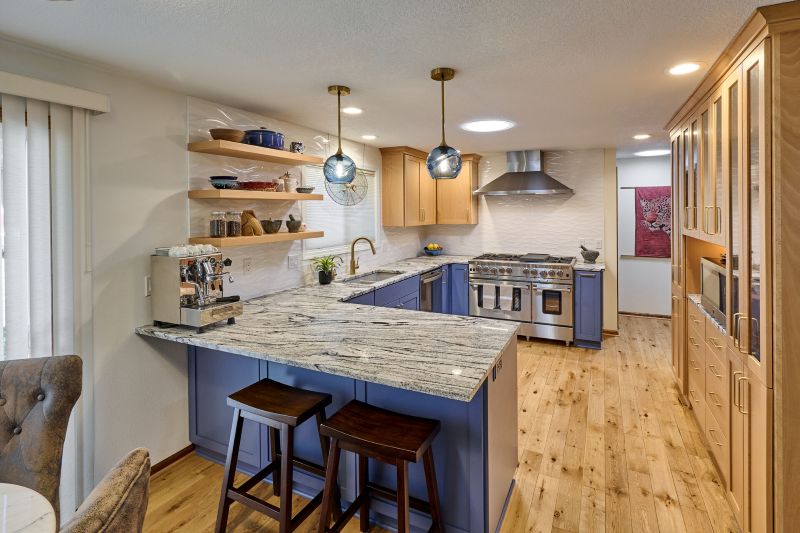
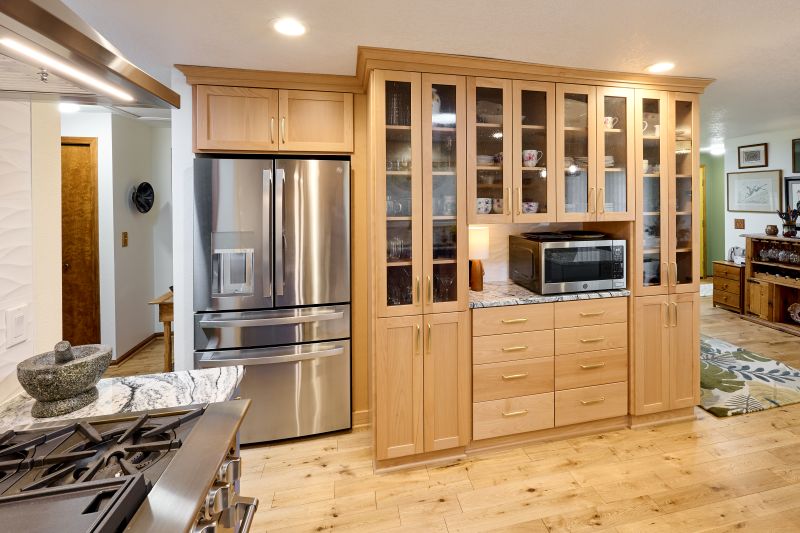
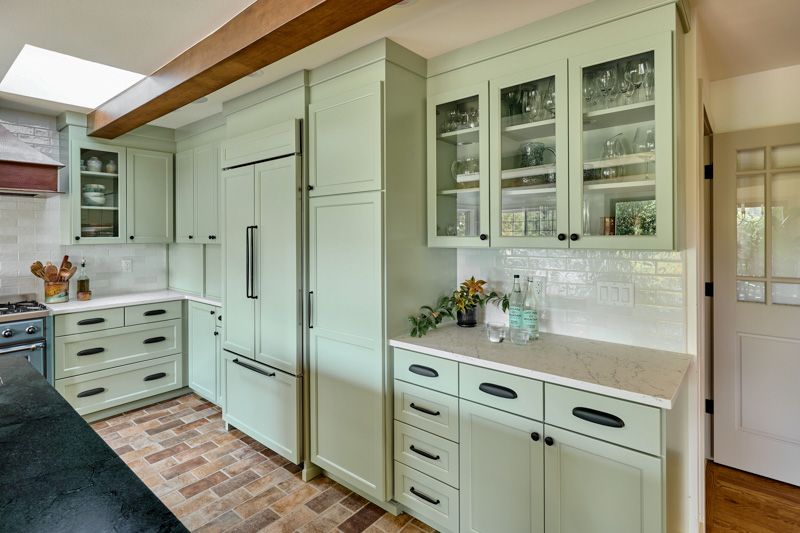
From a functional standpoint, built-in hutches can incorporate specialty storage, task lighting, and conveniently placed outlets—all tailored to how the homeowner actually lives. This level of customization transforms them from decorative moments into highly practical extensions of the kitchen.
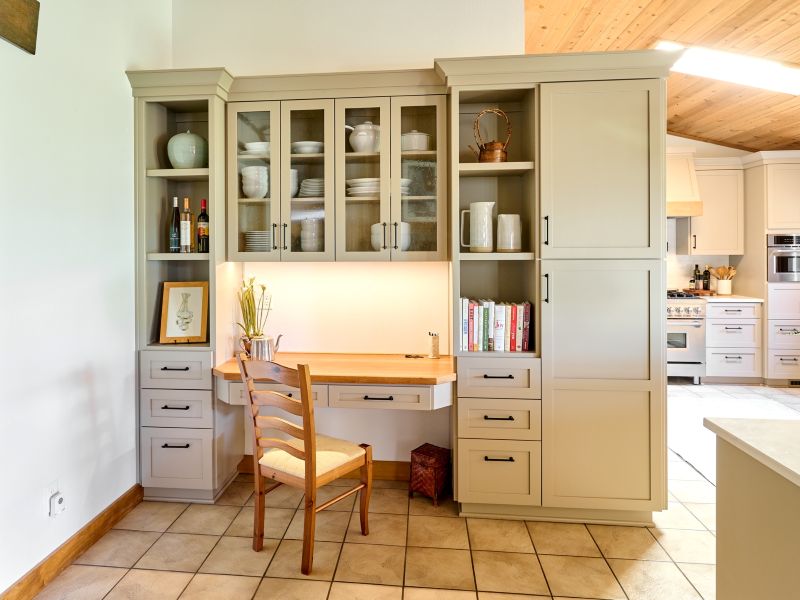
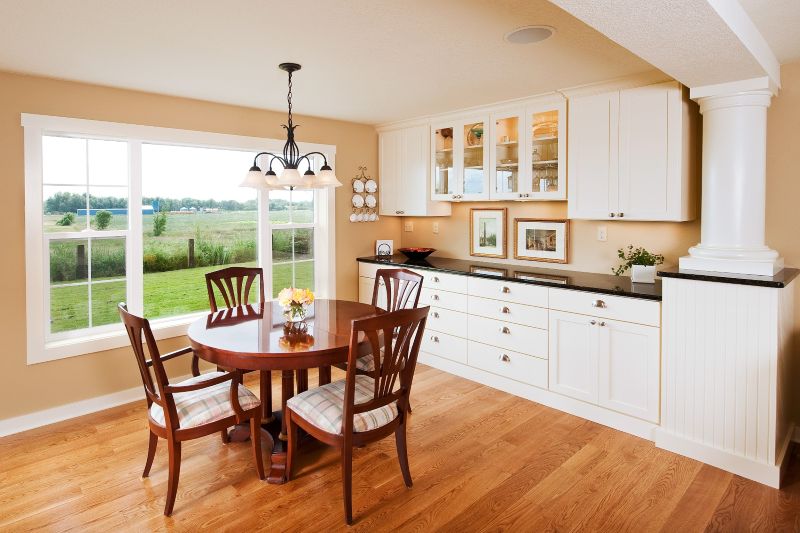
In dining rooms, built-in hutches bring both utility and atmosphere. They provide a natural home for serving pieces, glassware, and linens, while also offering an opportunity to display objects that tell a story. Whether styled minimally or more traditionally, they help transform the dining room from a space used occasionally into one that feels ready and inviting every day.
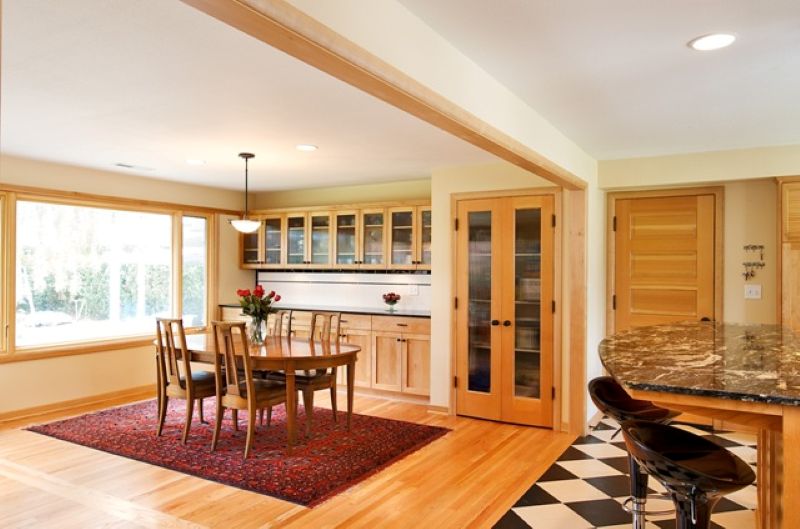
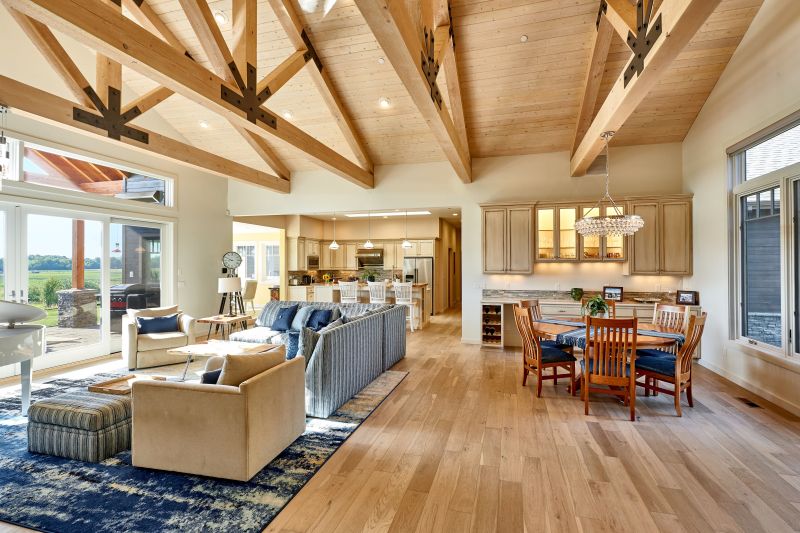
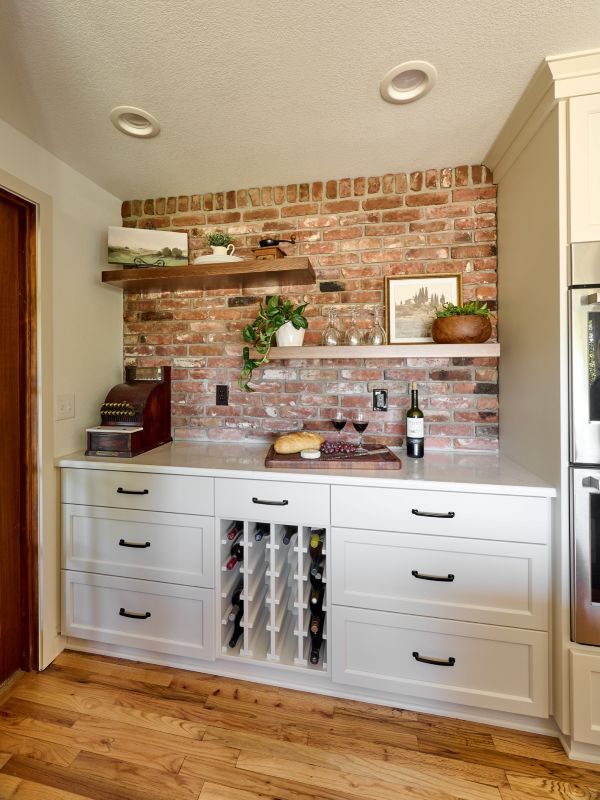
Beverage stations, in particular, highlight how small zones make a noticeable difference in daily life. By carving out a dedicated area for coffee, tea, or entertaining, the kitchen becomes more efficient and more enjoyable to use. These stations reduce congestion in primary work areas and allow multiple people to comfortably share the space—something that is particularly helpful when hosting.
Ultimately, integrated hutches reflect a broader shift in residential design—toward spaces that are not only efficient, but experiential. They support the way people actually live, while adding moments of craftsmanship and intention throughout the home. In that sense, they are less about storage alone and more about creating spaces that feel both personal and purposeful.